The Mesquite tree has been historically one of the most important plants for the peoples of the Sonoran desert. Here is how various parts of the tree are used.
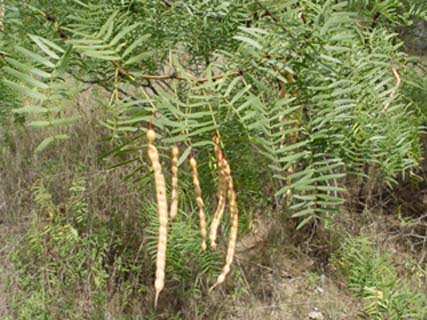
1) Pods- the mesquite pods are picked during the summer and early fall and they are then crushed to make a type of "flour" which has a sweet fragrant flavor and is consumed traditionally in the form of simple cakes. More recently gourmet bakeries in the Southwestern United States have started using mesquite meal in all types of baked goods from cookies to cakes. Medicinally the pods are boiled and applied to eyes when afflicted by conjunctivitis in the form of a wash.
2) Leaves: The leaves of the mesquite tree are boiled and drank as a tea in order to alleviate diarrhea and an upset stomach
3) Leaves and Twigs: These are boiled and applied to minor abrasions and scrapes
4) Mesquite Wood: The wood of the mesquite is used during grilling in order to add a flavorful smoked taste to any meat.
Photo Acquired From: http://www.nps.gov/tuma/naturescience/images/3C_honey_mesquite_pods.jpg
Padiush Nuiknew
Showing posts with label desert. Show all posts
Thursday, August 11, 2011
Saturday, June 26, 2010
Prickly Pear Cactus
picture acquired from: http://www.ubcbotanicalgarden.org/potd/opuntia_robusta2.jpg
The prickly pear cactus (Opuntia sp.), also known by the names of nopal, tuna, beaver tail cactus, has many culinary and medicinal uses.
There are more than 300 species of prickly pear cactus, all of which are native to the Americas. The prickly pear cactus is a rustic, rugged plant with extensive segments. These segments called platyclades are characteristic of the cactus. These pads are oval succulent and "meaty" and their color varies from green to purple depending on the species.
Both the pads and the fruit are edible. For example the segments are extremely versatile and can be eaten raw, stir fried, grilled, and have a flavor which in my opinion is reminiscent of green bell pepper with a hint of lime. One of my favorite recipes is to stirfry onions prickly pear pads, serrano chili pepper and fresh tomatos with a little bit of salt.
The fruits known in mexico as xoconostle are delicious and from my experience I can tell you that each specie's fruit has a different taste and it ranges from acidic to sweet like the ones in the Sonoran desert that taste like water melon!
Not only is the prickly pear cactus and its fruit edible they are also have various traditional medicinal properties.
externally a poultice can be made raw or heated to treat bruises or contussions, you can also use the viscous substance that emminates from the pads to treat burns.
Internally: raw they can be eaten or drunk (after being blended) to help regulate blood sugar, aid digestion, and heal the gut.
The prickly pear cactus can be found growing wild in the desert and you can collect it by cutting the pads and scraping the spines off. Or you can buy them in some super markets whole with spines and all, chopped without spines, or bottled in vinegar.
Ashta nemanha nuiknew (until next time my friends)
Friday, May 28, 2010
Creosote (Larrea tridentata) infused oil
This is my first article on the medicinal plants of the Southwestern United States (many of which also grow in northern Mexico) especially the ones that grow in the Sonoran desert
Before I continue I would like to give my gratitude to the native peoples (both in the United States and Mexico) who live in this area and were the first to discover the medicinal properties of these plants which grow in their enviroment and have been using them for thousands of years. Furthermore I would like to give thanks to herbalists such as the late Michael Moore, Charles W. Kane whom have written books that have helped me learn about these wonderful medicinal herbs. Additionally I would like to thank my instructors Lynn Romero and Feather Jones, both certified herbalists, who teach classes at the Naturopathic medical school that I attend and have always been more than happy to answer any questiosn that I have had.
Now on with our conversation,
BEFORE YOU HARVEST ANY DESERT PLANT MAKE SURE YOU HAVE ASKED PERMISSION TO DO SO IF YOU ARE NOT HARVESTING FROM YOUR OWN HOME. ALSO MAKE SURE THAT ITS NOT ILLEGAL TO HARVEST THE PLANT
Creosote bush (chaparral, gobernadora, hediondilla) Larrea tridentata
photo taken from wikipedia.org
Creosote bush a native plant of the desert is an evergreen bush that grows up to 1-3 meters (3-9 feet in height) the stems bear resinous dark green leaves. The flowers are 25mm in diameter with 5 yellow petals. The plant has an aroma that I would describe as burnt rubber, the leaves when crushed have a pleasant odor that reminds me of the desert after a rain shower. Creosote is endemic in the region where its found
parts used: Leaves and flowers
How to collect: find a place where there are several plants growing cut a few stems that appear healthy preferably during the rainy season when the plant is most vibrant and full of life. try to collect stems from various plants that way you dont over harvest a single bush.
furthermore I strongly suggest that you give thanks to the plant and any entity to which you pray (god spirits etc.) for having the priviledge of using the plant as medicine and also asking for the healing of the person whom you shall give the remedy to.
External use: yes
Internal use: yes
mode of use: Oil infusion (external), salve (external), tea (internal), macerated fresh plant (external)
Medicinally the plant may be employed for all types of conditions both internal and external and in my opinion Creosote is like a medicine cabinet in a bush. Traditionally this plant has been used externally for such common ills like scrapes, cuts, burns, acne, skin infections, and more serious conditions like sexually transmitted infections, tuberculosis, varicella, and snake bites.
when you use the plant in an external form the aroma is quite pleasing. Internally when drank as a tea I can tell you from personal experience that it is extremely bitter.
Now how to make the oil:
Materals needed: ample amounts of olive oil (castor oil, or jojoba oil), heavy duty scissors, a 1/2 quart transparent glass jar, a metal sieve and of course Creosote bush stems with leaf and all.
1) harvest several fresh Creosote stems
2) cut the stems with leaf and all into smaller portions in order to make it easier to place them in the glass jar. fill the glass jar 3/4 of the way full.
3) Add the oil until you cover all the plant material and fill the rest of the jar, if its necessary with a wooden stick you can move the plant material to make sure the oil settles in nicely.
4) put a tight lid on the jar and label it with the date and contents (both type of oil, and plant used)
5) place the jar in a place where it will receive plenty of sun light and wont be disturbed for at least 2-3 weeks.
6) After the time has lapsed you may now filter the oil from the plant material and split up the oil into smaller glass containers if you like.
7) The oil is now ready to be used and applied to the afected area of the skin
Ashta Nemanha Nuiknew (until next time my friends)
Before I continue I would like to give my gratitude to the native peoples (both in the United States and Mexico) who live in this area and were the first to discover the medicinal properties of these plants which grow in their enviroment and have been using them for thousands of years. Furthermore I would like to give thanks to herbalists such as the late Michael Moore, Charles W. Kane whom have written books that have helped me learn about these wonderful medicinal herbs. Additionally I would like to thank my instructors Lynn Romero and Feather Jones, both certified herbalists, who teach classes at the Naturopathic medical school that I attend and have always been more than happy to answer any questiosn that I have had.
Now on with our conversation,
BEFORE YOU HARVEST ANY DESERT PLANT MAKE SURE YOU HAVE ASKED PERMISSION TO DO SO IF YOU ARE NOT HARVESTING FROM YOUR OWN HOME. ALSO MAKE SURE THAT ITS NOT ILLEGAL TO HARVEST THE PLANT
Creosote bush (chaparral, gobernadora, hediondilla) Larrea tridentata
Creosote bush a native plant of the desert is an evergreen bush that grows up to 1-3 meters (3-9 feet in height) the stems bear resinous dark green leaves. The flowers are 25mm in diameter with 5 yellow petals. The plant has an aroma that I would describe as burnt rubber, the leaves when crushed have a pleasant odor that reminds me of the desert after a rain shower. Creosote is endemic in the region where its found
parts used: Leaves and flowers
How to collect: find a place where there are several plants growing cut a few stems that appear healthy preferably during the rainy season when the plant is most vibrant and full of life. try to collect stems from various plants that way you dont over harvest a single bush.
furthermore I strongly suggest that you give thanks to the plant and any entity to which you pray (god spirits etc.) for having the priviledge of using the plant as medicine and also asking for the healing of the person whom you shall give the remedy to.
External use: yes
Internal use: yes
mode of use: Oil infusion (external), salve (external), tea (internal), macerated fresh plant (external)
Medicinally the plant may be employed for all types of conditions both internal and external and in my opinion Creosote is like a medicine cabinet in a bush. Traditionally this plant has been used externally for such common ills like scrapes, cuts, burns, acne, skin infections, and more serious conditions like sexually transmitted infections, tuberculosis, varicella, and snake bites.
when you use the plant in an external form the aroma is quite pleasing. Internally when drank as a tea I can tell you from personal experience that it is extremely bitter.
Now how to make the oil:
Materals needed: ample amounts of olive oil (castor oil, or jojoba oil), heavy duty scissors, a 1/2 quart transparent glass jar, a metal sieve and of course Creosote bush stems with leaf and all.
1) harvest several fresh Creosote stems
2) cut the stems with leaf and all into smaller portions in order to make it easier to place them in the glass jar. fill the glass jar 3/4 of the way full.
3) Add the oil until you cover all the plant material and fill the rest of the jar, if its necessary with a wooden stick you can move the plant material to make sure the oil settles in nicely.
4) put a tight lid on the jar and label it with the date and contents (both type of oil, and plant used)
5) place the jar in a place where it will receive plenty of sun light and wont be disturbed for at least 2-3 weeks.
6) After the time has lapsed you may now filter the oil from the plant material and split up the oil into smaller glass containers if you like.
7) The oil is now ready to be used and applied to the afected area of the skin
Ashta Nemanha Nuiknew (until next time my friends)
Subscribe to:
Posts (Atom)